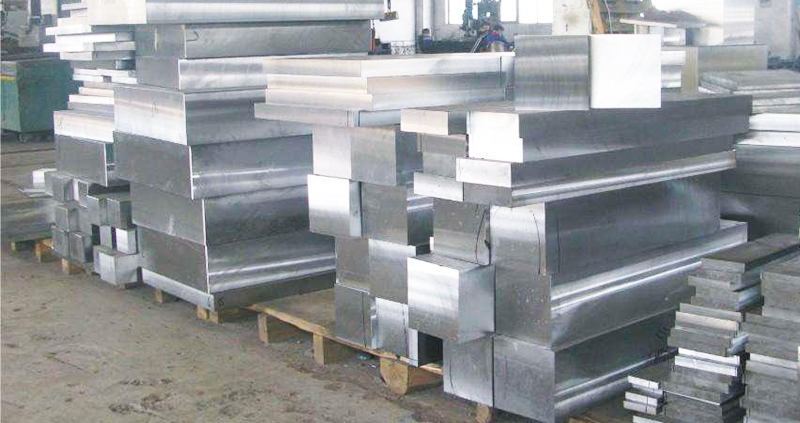
Guide pillar

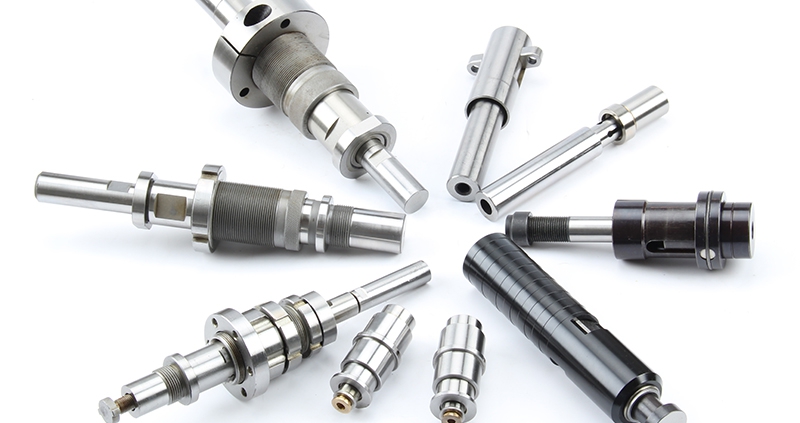
Guide pillars are essential components in plastic and metal molds, providing accurate alignment between the moving and fixed halves during mold operation. A guide pillar ensures that all cavities close precisely, preventing wear and damage to core parts. High-precision guide pillars reduce friction and extend the service life of molds by maintaining stability and smooth movement. In injection molds, each guide pillar works together with a guide bush to guarantee accurate positioning, even under high-speed or high-pressure conditions. The surface of a guide pillar is usually hardened and polished for durability and smooth sliding performance. Selecting a suitable guide pillar material—such as SKD11, SUJ2, or hardened steel—is critical for precision and longevity. Whether in plastic injection molds, die-casting molds, or stamping tools, a guide pillar plays a key role in ensuring dimensional accuracy, mold safety, and consistent production quality. Proper lubrication and maintenance of guide pillars further enhance mold reliability and performance.

Mold Locating Block

The Importance of Locating Blocks in Mold Manufacturing

In the world of mold design and manufacturing, precision is critical. mold components during the injection molding process is essential for achieving high-quality, defect-free parts. One of the key components that ensure this alignment is the Locating Block. Despite its relatively simple appearance, the Locating Block plays a pivotal role in mold accuracy, efficiency, and overall quality control.

What is a Locating Block?

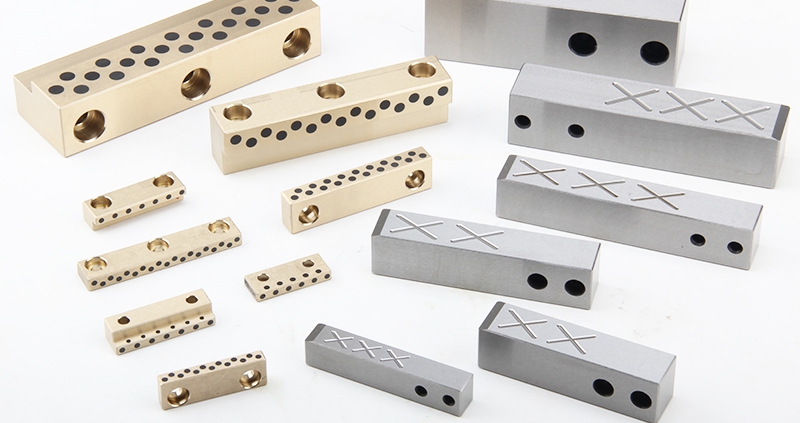
A Locating Block is a mechanical component used in mold tooling to provide a precise, stable location for aligning different parts of the mold, such as the core and cavity. It serves as a fixed reference point, ensuring that the two halves of the mold meet in the correct position when closing. maintain alignment throughout the molding cycle, preventing misalignment that could lead to part defects, excess wear, or even mold damage.

Precision and Alignment: The Role of Locating Blocks

The primary function of the Locating Block is to ensure the precise alignment of the mold’s core and cavity during the injection molding process. Without proper alignment, molded parts may experience defects such as flash, warping, or dimensional inaccuracies.

By ensuring that the mold halves come together in perfect alignment, the Locating Block helps maintain consistent part quality and repeatability in mass production environments. The use of Locating Blocks eliminates the possibility of uneven pressure distribution or misalignment between mold components, ensuring that the cavity forms with the correct shape every time.

Durability and Wear Resistance

Another key advantage of using Locating Blocks is their ability to withstand the high pressures and temperatures involved in the injection molding process. Molds undergo thousands of cycles, subjecting them to mechanical stresses that can cause wear and fatigue over time.

Efficiency and Productivity

The role of the Locating Block extends beyond alignment to improve the overall efficiency and productivity of the molding process. By ensuring quick and accurate mold alignment, the Locating Block helps reduce cycle times. Mold setup times are minimized, and the need for manual adjustments or realignments is eliminated.

This efficiency is particularly important in high-volume production, where small improvements in alignment accuracy can result in significant gains in overall throughput. For example, in the automotive industry, where large numbers of identical parts must be produced quickly and accurately, the Locating Block is an integral component in maintaining the speed and efficiency of the production process.

Consistency and Quality Control

In mass production, consistency is paramount. Even slight variations in part dimensions can lead to quality control issues and potential product failures. Locating Blocks help ensure that every mold cycle produces parts that are within specified tolerances, contributing to better overall quality control.

With precise alignment achieved through Locating Blocks, manufacturers can expect consistent product quality throughout the production run, reducing the likelihood of defective or non-conforming parts. This consistency is especially important in industries where the parts must meet stringent regulatory standards, such as medical devices or aerospace components, where the cost of failure is high.

Cost-Effectiveness and Maintenance

While the Locating Block may be considered a small component in the overall mold, its impact on reducing maintenance costs is significant. Proper alignment ensures that the mold operates smoothly, reducing wear on other components and preventing costly mold repairs or replacements.

In addition, by improving part accuracy and reducing defects, Locating Blocks contribute to lower rejection rates, fewer rework cycles, and reduced scrap material.

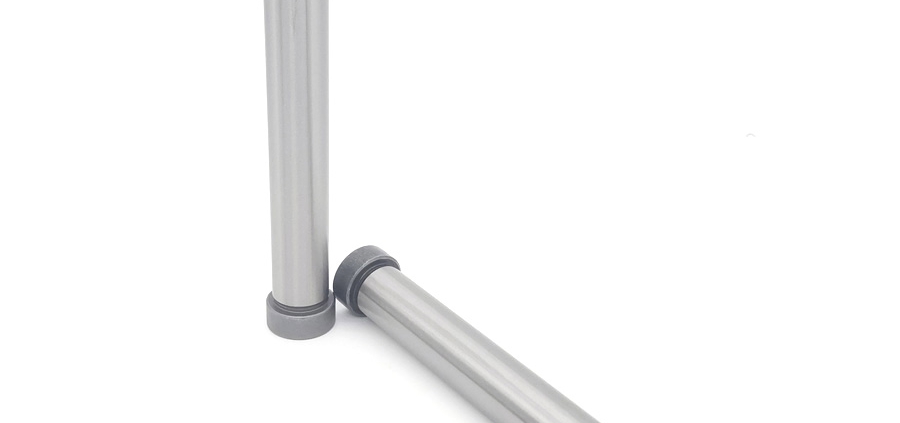
How to Make Mold Ejector Pins More Precise

How to Make Mold Ejector Pins More Precise
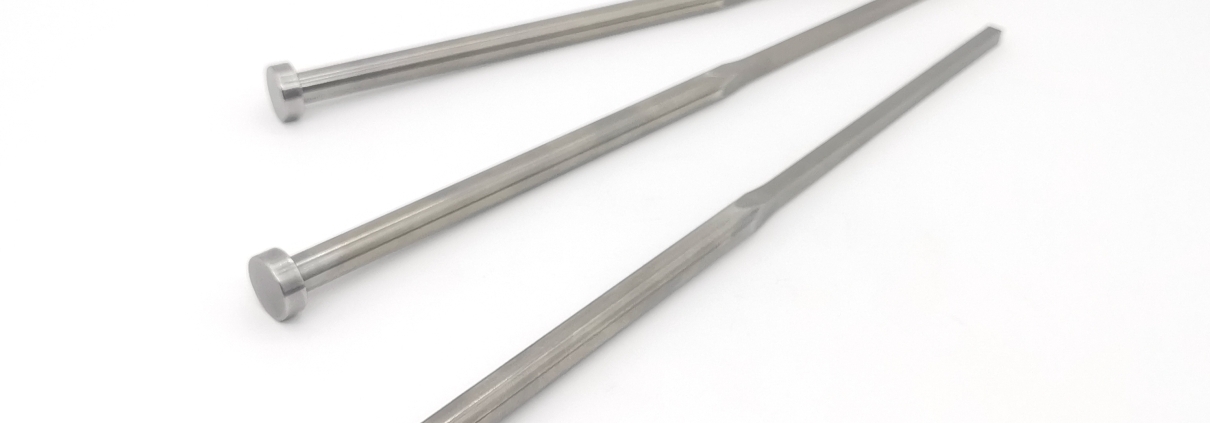
The precision of a mold ejector pin directly determines the overall quality of an injection mold. To make a mold ejector pin more precise, manufacturers must begin with high-quality materials such as SKD61 or SKH51. Proper heat treatment ensures the mold ejector pin maintains hardness while preventing deformation. Precision grinding and polishing are also essential to keep each mold ejector pin smooth and dimensionally accurate. During machining, using advanced CNC equipment can minimize tolerance errors and guarantee that every mold ejector pin fits perfectly with the mold cavity. In addition, consistent inspection with micrometers and projectors helps detect even the smallest deviations in a mold ejector pin. Regular maintenance, including lubrication and cleaning, extends the service life of the mold ejector pin and ensures stable performance. Ultimately, strict process control and attention to detail are key factors in producing a highly precise mold ejector pin that meets modern industrial standards.

Date Insert

The Application and Importance of Date Inserts in Modern Mold Manufacturing

In modern mold manufacturing, Date Inserts play a crucial yet often overlooked role in ensuring product traceability, quality control, and production efficiency. As industries such as automotive, medical devices, and electronics demand increasingly stringent quality standards, the use of Date Inserts has become a standard and indispensable practice for mold makers around the world.

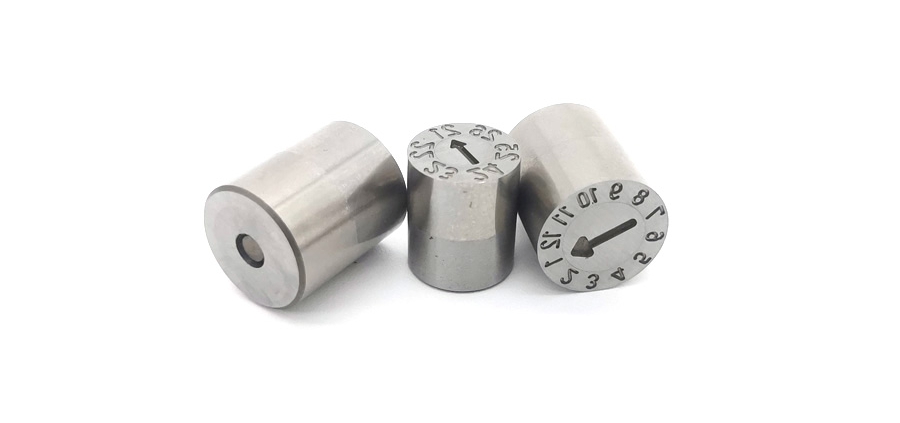
A Date Insert is a small, replaceable component embedded in a mold cavity to indicate the date of production, typically showing the month and year. It is sometimes called a date stamp, date code insert, or mold date marker. The Date Insert allows manufacturers to mark each molded part with clear, permanent information that identifies when it was produced.

One of the main advantages of using a Date Insert is its contribution to traceability. In industries where safety and performance are critical, such as automotive and aerospace, the ability to trace every component back to its production batch is essential. With a properly installed Date Insert, manufacturers can easily identify the specific mold and production period responsible for each part. If a defect or quality issue arises, this data enables rapid identification of the root cause, minimizing downtime and production losses.

Another key application of Date Inserts lies in mold maintenance and lifecycle management. Every mold undergoes wear and tear over time. By knowing the production period of parts through the Date Insert, maintenance teams can better schedule preventive maintenance, replacements, or repairs. This proactive approach helps extend the service life of molds, improve production reliability, and reduce unexpected stoppages.

In addition, Date Inserts play an important role in regulatory compliance. Many industries require precise documentation of manufacturing records for auditing or certification purposes. For example, medical device regulations in Europe and North America demand full traceability of all components that come into contact with patients. By integrating Date Inserts into molds, manufacturers can automatically and permanently mark products with essential traceability information, simplifying documentation and improving transparency during inspections.

From a production standpoint, Date Inserts also enhance efficiency and flexibility. Modern Date Insert systems are designed to be easily replaceable or adjustable. Mold technicians can quickly rotate or change the insert to update the date for each production batch. This reduces manual labeling work, eliminates the need for secondary marking processes, and ensures consistent, accurate information across all molded products.

The materials and design of Date Inserts have also evolved significantly. High-precision inserts made from hardened stainless steel or heat-treated tool steel can withstand the extreme pressures and temperatures of injection molding. Some Date Inserts feature anti-corrosion coatings, ensuring durability even in demanding production environments.
Overall, the Date Insert has become an essential component of modern mold design and manufacturing. It supports efficient production, ensures consistent traceability, and helps companies comply with global quality standards. Whether used in automotive parts, consumer goods, or medical devices, the presence of a Date Insert represents a commitment to precision, accountability, and continuous improvement in manufacturing processes.

The Importance of Mold Production Date Markings

The Importance of Mold Production Date Markings
The mold production date marking is an indispensable element in the mold manufacturing process. It provides a clear and accurate record indicating when the mold was produced, along with version details and other key identification information. Though seemingly minor, this detail plays a vital role in ensuring traceability, quality control, and overall efficiency throughout the mold’s lifecycle.

First and foremost, the production date marking is fundamental for traceability. In industries such as automotive, medical, and electronics, tracking the origin of molds is essential to maintaining product quality and safety. With a clear date marking, manufacturers can easily trace any issue back to its source, enabling rapid corrective action, minimizing risk, and improving management efficiency.

Secondly, the marking serves an important function in mold maintenance and management. Over time, molds naturally experience wear and degradation. Knowing the exact production date helps manufacturers plan regular maintenance, repairs, or replacements. Without a date mark, it becomes difficult to determine the mold’s actual age or suitability for continued use, which can result in unexpected downtime or premature disposal.

In addition, the production date marking plays a key role in regulatory compliance. In highly regulated industries, maintaining detailed records of mold production and usage is crucial for meeting audit and certification requirements. The presence of a production date mark enables companies to provide complete and verifiable production records, ensuring that manufacturing processes comply with industry standards and quality systems.

In conclusion, while small in size, the mold production date marking is a critical component of effective mold management. It enhances traceability, supports efficient maintenance, and ensures compliance with stringent industry regulations. Therefore, every mold should bear a clear and accurate production date marking to facilitate standardized and efficient management.

Pay attention to six requirements when choosing mold accessories

Core summary: In order to better use the mold, we need to choose according to specific requirements when purchasing mold accessories. The common requirements for mold accessories mainly include the following points:

In order to better use the mold, we need to choose according to specific requirements when purchasing mold accessories. The common requirements for mold accessories mainly include the following points:

1: Simple installation and how to maintain the parts: Check whether simple and clear installation instructions are delivered. Where applicable, the products packaged together should also be marked with which maintenance steps, such as cleaning, lubrication, disassembly and replacement steps.

2: Product price, whether it includes tax and freight: These mold parts should have a market-competitive value-added space, and must be real materials and not fake.

3: Part interchangeability: After a period of time, when the supplier’s part design changes, you can replace the previous version in time. Global replacement: It is necessary to ensure that you can find the same mold parts replacement anywhere in the global market.

4: Stability and traceability of product quality: Your suppliers must have relevant quality stability records and trace any products they produce. Compatibility of mold accessories: Ensure that the mold accessories you buy are compatible with any other accessories in the mold to facilitate operation on the mold, so as to avoid product approval or failure to try out the mold.

5: Product range and material sources and the effectiveness of non-standard accessories: Check additional mold parts to ensure that they can be easily found and replaced when different materials or sizes are required.

6: Product certification: For example, HASCO and European product processes have all passed ISO9001:2000 certification, which ensures the quality stability, traceability and effective documentation of mold parts throughout the order and assembly process.

In the future, the development speed of plastic mold accessories will be higher than other molds

The regional characteristics of China’s mold industry are obvious, mainly as follows: the development of the southeast coastal area is faster than that of the central and western regions, and the development of the south is faster than the north. The most concentrated areas of mold production are in the Pearl River Delta and the Yangtze River Delta, accounting for more than 2/3 of the national mold output value.

It is understood that in recent years, the development of China’s plastic mold accessories has been quite rapid. At present, the proportion of plastic mold accessories in the entire mold industry is about 30%. With the rapid development of China’s automobiles, home appliances, electronic communications, and various building materials, it is expected that in the future mold market, the proportion of plastic mold accessories to the total mold will gradually increase, and the development speed will be faster than other molds. Take the automobile industry as an example. With the rapid growth of automobile production and sales, the potential market for automobile molds is huge.

In the production of automobiles, various functional parts must be formed by molds. It takes more than 200 interior trim molds to manufacture an ordinary car, while the large and medium-sized ones needed to manufacture bumpers, instrument panels, fuel tanks, steering wheels, etc. From the perspective of the production capacity of the mold industry, the current satisfaction rate of plastic mold accessories is only about 50%. In the construction field, it is also a general trend that plastic building materials will replace traditional materials in large quantities. It is estimated that in 2010, the penetration rate of plastic doors and windows and plastic pipes will reach 30%-50%, and the market share of plastic drainage pipes will exceed 50%, which will greatly increase the demand for molds. the amount. It should be said that the application potential of plastic mold accessories cannot be underestimated. Experts predict that large-scale, precise, and well-designed injection molds will be generally welcomed by the market.

Plastic mold accessories have formed a huge industrial chain. In recent years, my country’s plastic mold accessories have formed a huge industrial chain driven by high technology and the application demand of pillar industries, from the upstream raw and auxiliary materials industry and processing and testing equipment to In the downstream industries such as machinery, automobiles, motorcycles, home appliances, electronic communications, building materials and other major application industries, the development of plastic mold accessories is full of vitality. At present, the application of plastic products is becoming more and more extensive, providing a broad market for plastic mold accessories, and at the same time putting forward higher requirements for molds. Large-scale, high-precision, multi-functional composite molds will be favored. At the same time, industries such as construction, home appliances, and automobiles have a great demand for plastics.

The hardness of mold parts is the main factor affecting wear resistance

Core Abstract: The hardness of mold parts is the main factor affecting wear resistance. In general, the higher the hardness of the mold parts, the smaller the amount of wear and the better the wear resistance. In addition, wear resistance is also related to the type, quantity, shape, size and distribution of carbides in the material.

1.Strength

The working conditions of the molds are mostly very bad, and some of them are often subjected to large impact loads, which leads to brittle fracture. In order to prevent sudden brittle fracture of mold parts during work, the mold must have high strength and toughness. The toughness of the mold mainly depends on the carbon content, grain size and organization state of the material.

2.Wear resistance

When the blank is plastically deformed in the mold cavity, it flows and slides along the surface of the cavity, causing violent friction between the surface of the cavity and the blank, which causes the mold to fail due to wear. Therefore, the wear resistance of the material is one of the most basic and important properties of the mold.

3.Fatigue fracture performance

During the working process of the mold parts, under the long-term action of cyclic stress, fatigue fractures are often caused. Its forms include low-energy multiple impact fatigue fracture, tensile fatigue fracture, contact fatigue fracture, and bending fatigue fracture.